
A clinician with less training than you is billing £350 a month, per patient, for the thing you turned down.
For doctors, nurses and pharmacists. 14 modules on peptides, from BPC-157 to the GLP-1s: what the evidence supports, who is an appropriate patient, how to consent and monitor, and when to decline.
Taught by two consultant physicians at Healand Clinic, including the GMC examiner who wrote the curriculum.

5.0
Rated 5.0 from 115 reviews
Rated 5.0 from 115 reviews
2025
Aesthetic Clinic of the Year
Aesthetic Clinic of the Year
50
Founding places, then it closes
Founding places, then it closes



+ CLINICIANS FEATURED IN
The Guardian
The Times
The Sun
The Daily Mail
The BBC
ITV
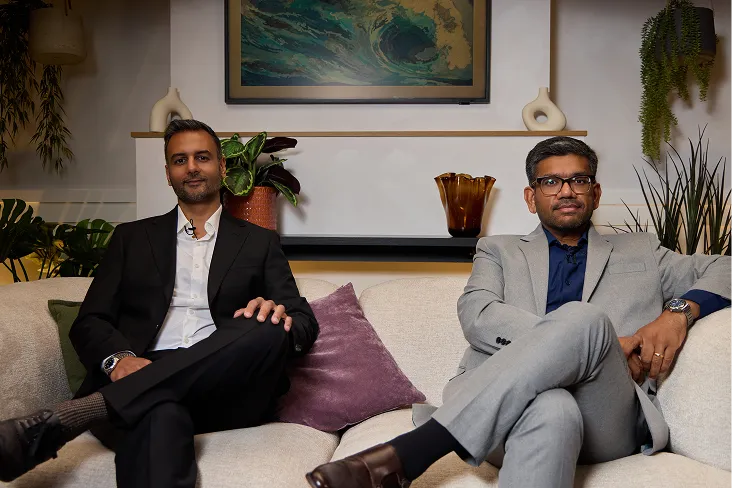
TAUGHT BY DR JALAJ TAMBER
AND DR OMAR BABAR, HEALAND CLINIC
+ CLINICIANS FEATURED IN
The Guardian
The Sun
ITV
The Guardian
ITV
The BBC
The Sun
The BBC
The Daily Mail
The Times
The Daily Mail
The Times
The Times
TAUGHT BY DR JALAJ TAMBER
AND DR OMAR BABAR, HEALAND CLINIC

Some of this will be familiar

A patient names a compound you have heard of twice, and you have forty seconds before your silence becomes the answer.
You say you would rather not. She is gracious about it and she never comes back. Not for this, not for anything.
You know the clinic she went to. You are fairly sure nobody there has read a paper on it.
A patient names a compound you have heard of twice, and you have forty seconds before your silence becomes the answer.
You looked at the training. Most of it is three hours of video from someone with an affiliate link.
So you read the papers yourself at half past ten at night, and you find twelve rats and no control group, and you are no further forward.
The clinician who said yes is not better informed than you.
He just did not know enough to be frightened.
Nobody taught you this
Most peptides are not licensed medicines. With a licensed drug, the manufacturer's dossier is the defence. With these there is no dossier. There is your reasoning, in your notes, with your name on it.
Nothing in your training covered how to build that reasoning, because this field arrived in about four years and no curriculum moves that fast.
So this was never a knowledge problem. It is excellent judgement with no structure to run it through, at speed, with someone watching.
The Five Questions
Run them in order. Every peptide. Every patient. Ninety seconds.
01
What does the evidence actually support?
02
Is this an appropriate patient?
03
Have I consented them appropriately?
04
What am I monitoring, and how will I know if it is going wrong?
05
When would I decline?
These are not ours. They are what your regulator already expects you to have settled before you prescribe an unlicensed medicine: sufficient evidence, the right patient, proper consent, monitoring, and a documented reason.
What has never existed is that turned into a sequence you can run in ninety seconds, out loud, with a patient in front of you.
That is the programme. Fourteen modules running those five questions across every peptide class a patient is likely to name, with the evidence set out honestly beside each one. Including the ones where the answer is no.
Three of the drugs in Module 12 did not exist five years ago. The compounds will keep changing.
The five questions will not.
+ WHAT CHANGES
What changes
She can tell the difference.
You stop stalling. You run it, and ninety seconds later you know whether this is a yes, a no, or a not yet.
Say yes, and it is reasoned and documented before she leaves.
Say no, and she does not leave either.
"No, here is exactly why, and here is what would change my mind," from someone who has clearly read the literature, is the most reassuring thing a patient hears all year. It is not a refusal. It is the best proof of competence you can give, and most clinicians never get to give it, because they are declining out of uncertainty instead of knowledge.
+ WHAT CHANGES
There has never been a better time to be the careful one
For three years, caution has been the disadvantage in this field. The clinicians saying yes fastest took the patients, and the ones doing it properly watched them go.
That is a temporary state and it is ending. The tolerance for improvised practice here is narrowing, not widening. And in most towns, the position of "the clinician who actually understands this" is still empty.
No recognised authority. No established credential. Just a queue of patients with questions and a profession that has not caught up yet.
Two years from now, someone near you will be the person those questions go to.
There is no particular reason it should not be you.
+ FACULTY
Who made it
Both practise at Healand: real clinic, real patients, 5.0 from 115 reviews.
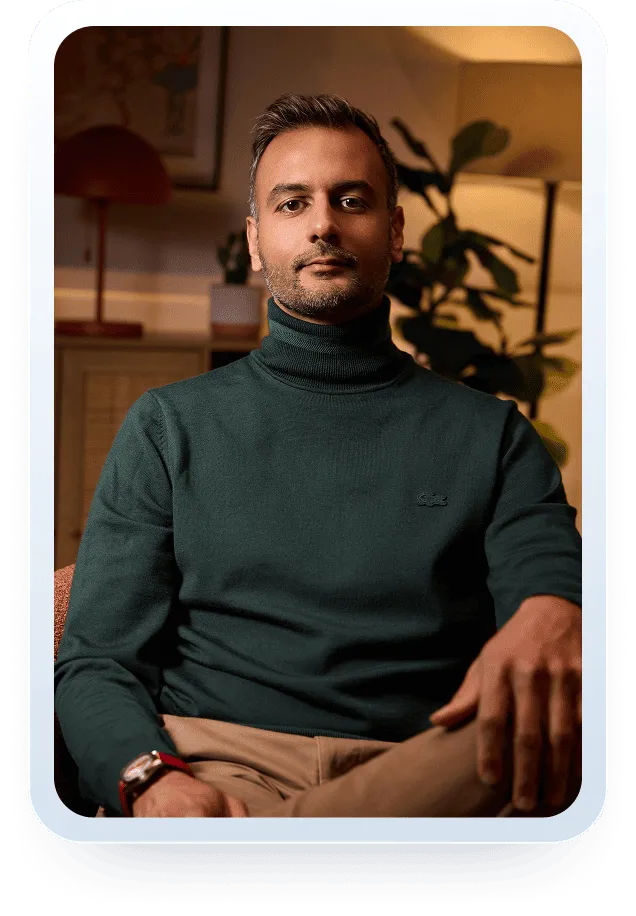
Dr Omar Babar
Medical Director at Healand Clinic
FRCEM PGCert Med Ed FHEA GMC PLAB & RCEM EXAMINER
Dr Jalaj Tamber designed this curriculum. He is one of the people who decides whether other doctors are fit to practise. A man who examines clinicians for a living does not write a course that hands out confidence. He wrote one that hands you a method and then examines whether you can use it.

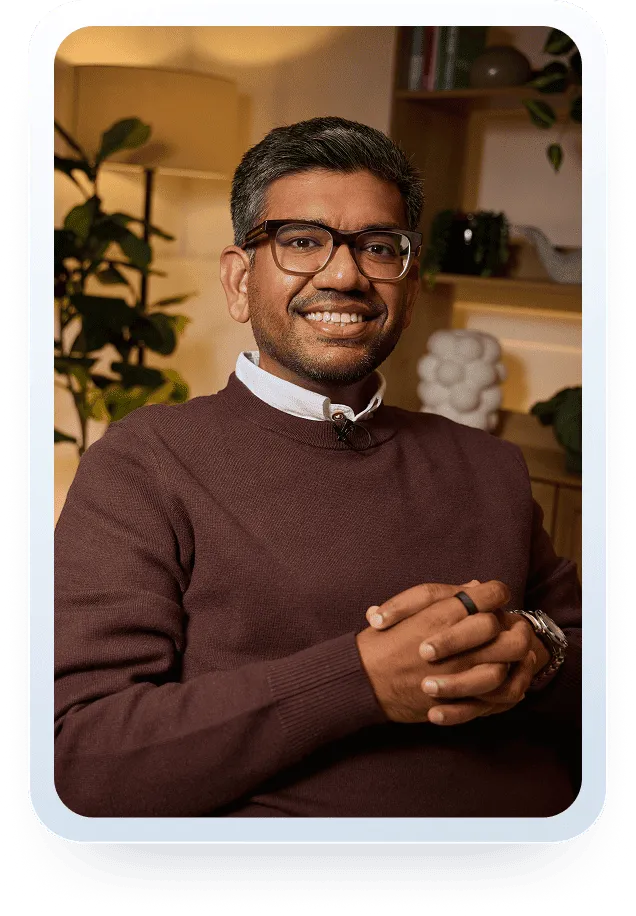
Dr Jalaj Tamber
Consultant Physician and Clinical Governance Lead at Healand Clinic
MBChB PGDip Clinical Leadership FRCEM MBA
Dr Jalaj Tamber designed this curriculum. He is one of the people who decides whether other doctors are fit to practise. A man who examines clinicians for a living does not write a course that hands out confidence. He wrote one that hands you a method and then examines whether you can use it.

+ Curriculum
What is inside
What this course is, what it is not, and an honest map of where the field stands today. All five lessons are free to watch.

How peptides work, how the body handles them, and how they are actually given. Includes a free lesson and downloadable reference material.

How to tell a real signal from a convincing one. Mechanism is not outcome. Includes a free lesson and downloadable reference material.
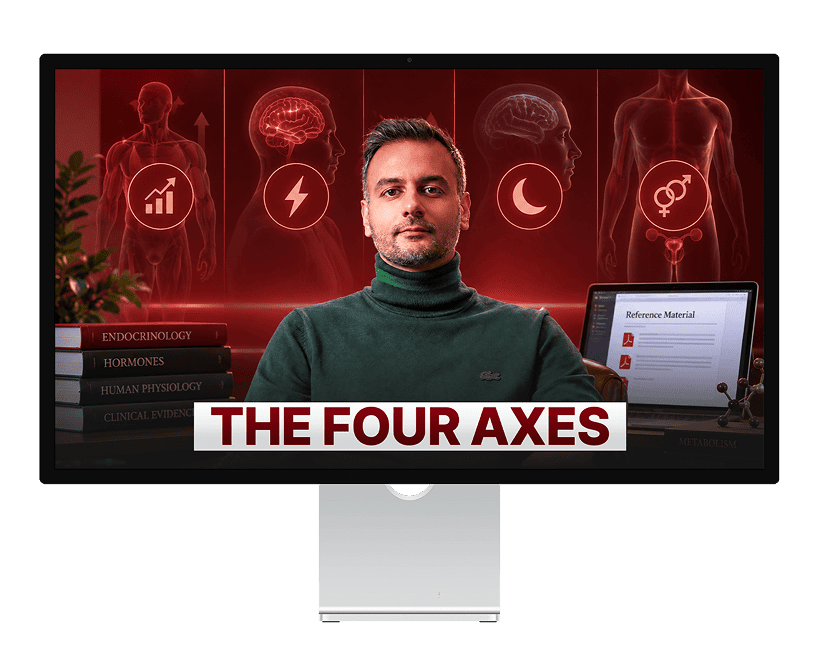
The hormone systems these compounds act on: growth, stress, sleep, reproduction. Includes downloadable reference material.

Medicinal claims, unlicensed medicines, consent, documentation, and when to decline. Includes a free lesson.
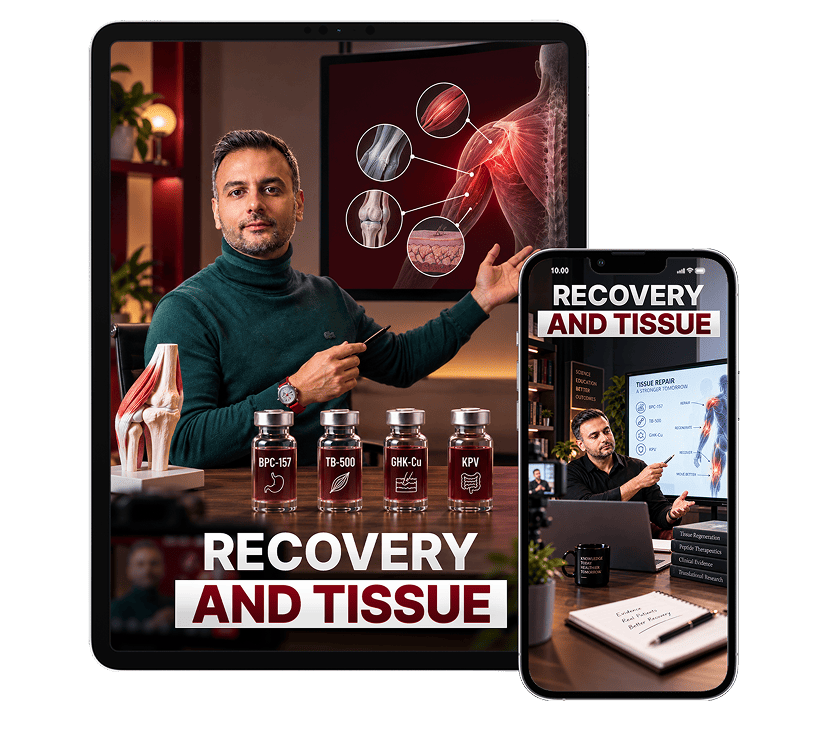
BPC-157, TB-500, GHK-Cu, KPV. What the evidence supports, and the malignancy question. Includes a free lesson and an evidence summary table.

GHRH analogues and GHRPs. Monitoring, risks, and when not to use. Includes Clinical Case 1.
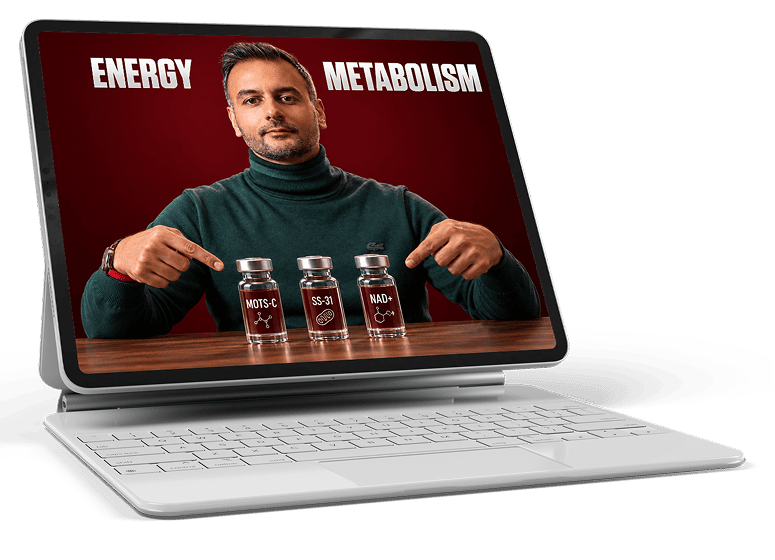
MOTS-C, SS-31, NAD+. Where the energy claims outrun the evidence. Includes a free lesson.

Thymosin Alpha-1, LL-37, KPV. Autoimmune risk, and the myths. Includes Clinical Case 2.

Semax, Selank, ARA-290, Dihexa. Psychiatric considerations. Clinical Case 3, which is free to watch.

DSIP, Pinealon, Epithalon. Longevity claims measured against the evidence.
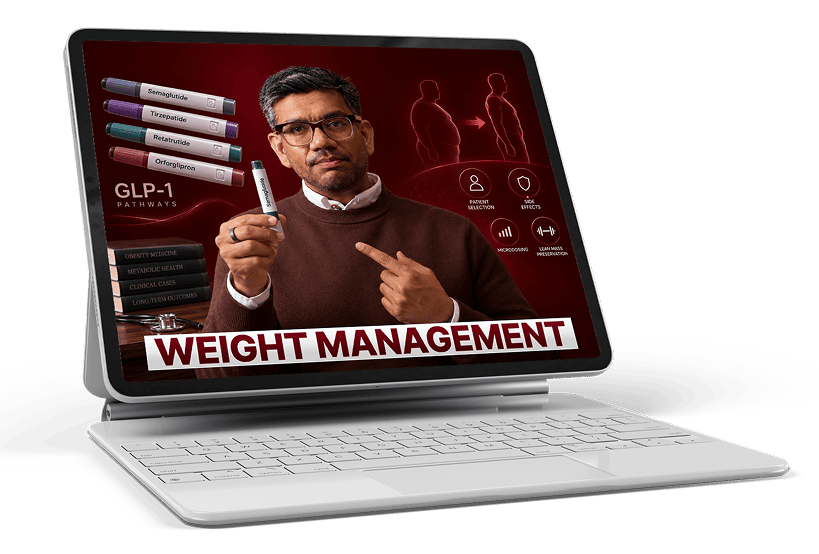
GLP-1 physiology, semaglutide, tirzepatide, retatrutide, orforglipron. Patient selection, side effects, microdosing, maintenance, lean mass preservation. Includes Clinical Case 4, and a preview of Healand's own retrospective study on lower-dose GLP-1 pathways, presented as the work in progress it is.

PT-141, kisspeptin, fertility considerations, and when to refer. Includes Clinical Case 5.

Final MCQ exam, written case reflection, and what comes next.
Almost every compound module ends in a risk, a myth, a when not to use, or a when to refer.
That is deliberate. This is a programme built to teach you when to say no.
A clinician who only knows when to say yes is not safer than they were last year.
Almost every compound module ends in a risk, a myth, a when not to use, or a when to refer.
That is deliberate. This is a programme built to teach you when to say no.
A clinician who only knows when to say yes is not safer than they were last year.
Six months of access from the day you enrol. Any major update released in that window is included. Subtitled, self-paced, works on a phone.
+ Free lessons
Watch it before
you pay for it
No change-of-mind refunds once your access starts. We would rather say that here than in the small print. Your statutory rights stay exactly as they are, and the checkout asks you to confirm you want immediate access before you pay.
So instead of a refund, a real part of the course is free before you spend a penny. Not a trailer. All of Module 1, plus six lessons from deep inside the course:
+ Free lessons
Watch it before
you pay for it
No change-of-mind refunds once your access starts. We would rather say that here than in the small print. Your statutory rights stay exactly as they are, and the checkout asks you to confirm you want immediate access before you pay.
So instead of a refund, a real part of the course is free before you spend a penny. Not a trailer. All of Module 1, plus six lessons from deep inside the course:
Unlocked now ------------------------------------------------------------------ 07 LESSONS
Unlocked now ---------------------------- 07 LESSONS
00
00 LESSON
All of Module 1
LESSON
02
02 LESSON
Peptide biology explained simply
LESSON
03
03 LESSON
Mechanism is not Clinical Outcome
LESSON
04
04 LESSON
Unlicensed Medicines Explained
LESSON
05
05 LESSON
BPC-157
LESSON
06
06 LESSON
MOTS-C
LESSON
07
07 LESSON
Clinical Case 3: Cognitive Enhancement
LESSON
The science, the appraisal, the regulatory position, the compound your patient has already named, and one complete worked case.
Watch "Unlicensed Medicines Explained." If you would still answer that patient the way you answered her last time, close this page. The other ninety-five lessons will not help you.
+ FACULTY
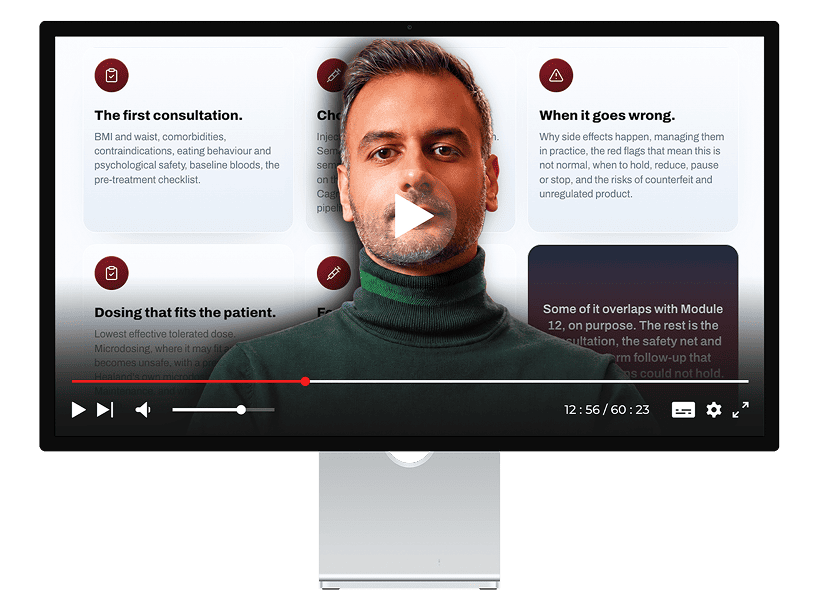
The Healand Weight
Management Masterclass

The first consultation.
BMI and waist, comorbidities, contraindications, eating behaviour and psychological safety, baseline bloods, the pre-treatment checklist.

Choosing the therapy.
Injection or tablet, GLP-1 or dual incretin. Semaglutide, tirzepatide, oral semaglutide, orforglipron. Then the ones on the way: retatrutide, cagrilintide, CagriSema, and how to talk about a pipeline drug without overselling it.

When it goes wrong.
Why side effects happen, managing them in practice, the red flags that mean this is not normal, when to hold, reduce, pause or stop, and the risks of counterfeit and unregulated product.
Dosing that fits the patient.
Lowest effective tolerated dose. Microdosing, where it may fit and where it becomes unsafe, with a preview of Healand's own microdosing study. Maintenance, and what to do about regain.

Four more worked cases.
Food noise and prediabetes. Side effects during escalation. Plateau. Maintenance after successful weight loss.
Some of it overlaps with Module 12, on purpose. The rest is the consultation, the safety net and the long-term follow-up that fourteen lessons could not hold.
+ FOUNDING COHORT
What you get
Complete access to the 14-module masterclass, 101 video lessons, full clinical cases, bonus weight loss curriculum, and 3 months faculty mastermind access.

Healand Peptide Masterclass - £999
14 modules, 101 lessons, 5 worked clinical cases, final exam and written case.
Healand Weight Management Masterclass - £699
Nine modules, 49 lessons. Sold on its own at £699.
Clinical Support Access, 3 months - £147
Then £29 a month, cancel whenever.
Certificate of completion - Included
Total
£1,845
Combined Curriculum Value
£2,444
YOUR PRICE TODAY
£999 + VAT
101 lessons (under £10/lesson)
3 months faculty access
$1,299 USD for international
Strictly 50 founding places. Enrolment closes 31 December. Fifty is fifty because the first cohort gets direct faculty feedback. Clinical support continues at £29 a month after 3 months, cancel anytime.
+ THE SMALL PRINT, LARGE
What this is not
Not an accreditation, and not a licence to practise peptide medicine.
Finishing it does not authorise you to prescribe anything.
No guarantee of patient outcomes, income or business results.
Not CPD-accredited. There are no CPD points attached to the course at present.
Not every peptide taught here is proven, routinely recommended, or legally available where you practise. Several are not, and the lessons name them.
You remain responsible for your own scope of practice and your own regulator's requirements.
For information and learning purposes only. It is not an accreditation. Exploring your own country's regulations is highly advised.
+ QUESTIONS
Things people ask
"Does this hold up if I do not practise in the UK?"
The science, the appraisal and the five questions are identical wherever you work. The governance module is written from the UK framework and we say so rather than hiding it. The reasoning travels. The local rules stay yours.
"Will it tell me which peptide to use for which condition?"
No, and be suspicious of anything that does. It teaches a structured approach: the patient's goals, their phenotype, the strength of the evidence, the alternatives, the exclusions, what to monitor, and when deferring or referring is the better decision. That is the five questions again.
"Do I need to be a prescriber?"
No. The science, the appraisal, the monitoring and the governance apply whether you prescribe or not. Completing the course changes nothing about your prescribing authority or your scope.
"Is six months enough? I do not have the time."
Modules 1 to 5 are the part that changes how you answer patients. Start there. The compound modules are reference; you go to them on the afternoon a patient names one. Six months runs from the day you enrol, and any major update released in that window is included.
"Can I pay in instalments?"
Instalment options will be available at checkout.
"Will it tell me which peptide to use for which condition?"
No, and be suspicious of anything that does. It teaches a structured approach: the patient's goals, their phenotype, the strength of the evidence, the alternatives, the exclusions, what to monitor, and when deferring or referring is the better decision. That is the five questions again.
"Does it cover dosing?"
Yes. Dosing principles, schedules and titration, always inside evidence, patient selection, tolerability and monitoring. Hands-on dose selection in simulated consultations is Tier 2, the in-person day, which assumes you have done this first.
"Can I ask the faculty questions?"
Yes, about the course material. Not about your patients. Clinical Support is education, not supervision, and it would be irresponsible to pretend otherwise.
Watching Module 1 costs nothing and commits you to nothing.
Probably this week.
Watching Module 1 costs nothing and commits you to nothing.
Probably this week.